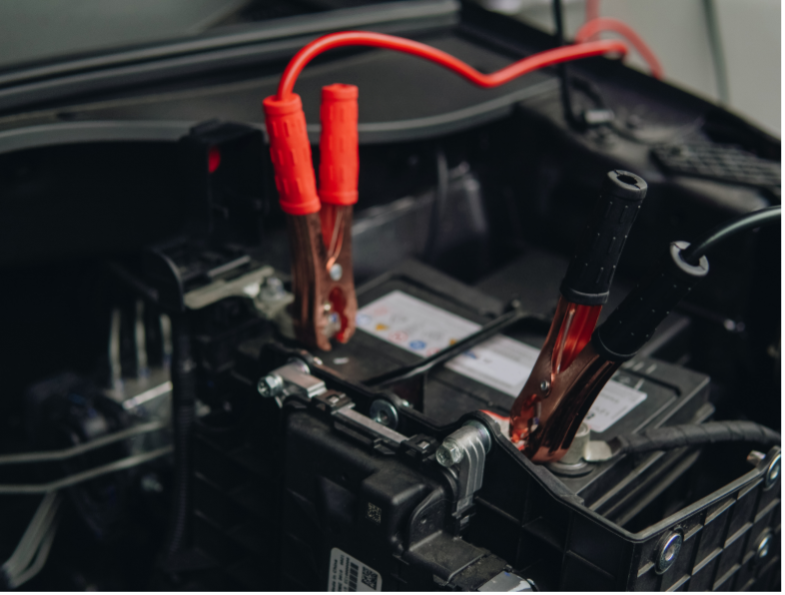
Battery Life: What Kills It, What Saves It, and When to Replace It
There’s nothing worse than being stuck on the side of the road with an overheated engine. Your car’s engine is essentially a heat-producing machine, and if not properly managed, that heat can cause a serious breakdown. But don’t worry—understanding how your car’s coolant system works and staying on top of it can help you avoid the dreaded overheating situation. Let’s break down the role of coolant, how overheating can sneak up on you, and the signs to watch out for so you can keep your engine running cool.
How Coolant Works
Coolant (often called antifreeze) plays a crucial role in regulating the temperature of your car's engine. Without it, your engine would quickly overheat and fail. Coolant is responsible for transferring heat away from the engine to the radiator, where it’s dissipated into the air.
Here's how it works:
- Absorbing heat: Coolant circulates through the engine, picking up heat generated by the engine’s operation.
- Releasing heat: Once the coolant reaches the radiator, it releases that heat, preventing the engine from getting too hot.
- Maintaining a safe temperature: This constant cycle keeps the engine temperature in a safe operating range, preventing it from boiling over.
Without coolant, the engine’s temperature would quickly rise to dangerous levels, causing parts to warp or even seize up, which can result in costly repairs. It’s a vital system, so keeping an eye on your coolant is just as important as keeping an eye on your oil level.
When to Flush or Exchange Coolant
Coolant doesn’t last forever, and over time, it can become less effective. The components in coolant break down, and contaminants can build up, which can cause clogs and poor heat transfer. When that happens, your engine is more likely to overheat.
Here’s when you should think about flushing or exchanging your coolant:
- Follow Manufacturer’s Guidelines
Every vehicle manufacturer provides a recommended interval for changing or flushing your coolant. This is usually between 30,000 to 60,000 miles, but it can vary depending on the type of coolant your vehicle uses. Check your owner’s manual for specific recommendations.
- If Your Coolant Appears Dirty
If the coolant looks rusty or contaminated, it’s time for a flush. Fresh coolant is typically green or orange, depending on the type. If it’s dark or cloudy, it could mean there’s a buildup of rust, oil, or other contaminants, which can affect the system’s performance.
- After an Overheating Incident
If your car has overheated, it might have caused the coolant to degrade. After the incident, it’s worth having the system flushed to ensure everything is running smoothly again.
- Coolant Leaks
If you notice a puddle of coolant under your car, it might be leaking. Leaks can cause the coolant level to drop, reducing its effectiveness in keeping the engine cool. It’s important to address any leaks immediately to avoid overheating issues.
Tip: If you’re unsure about when your coolant was last changed or if it’s due for a flush, bring your car into Auto Stop for a courtesy inspection. We’ll take care of it and ensure your engine is well-protected.
What an Overheating Car Looks/Smells/Sounds Like
Overheating often doesn’t happen suddenly. It can sneak up on you with subtle signs before your engine reaches a boiling point. Here’s what to watch out for:
- Warning Lights or Gauges
Most cars have a temperature gauge on the dashboard or a warning light that signals when the engine is getting too hot. If the temperature gauge starts rising into the red zone or the warning light comes on, that’s your first indication that your engine is overheating and may need immediate attention.
- Strange Smells
If your engine is overheating, you might smell something burning or a sweet odor. The sweet smell is from the coolant, and it’s a sign that it’s either leaking or evaporating because of excessive heat. If you smell burning rubber or a hot plastic smell, that could indicate a different kind of issue, like belts or hoses that are being affected by the high temperature.
- Strange Sounds
An overheating engine may also produce unusual noises. If you hear a hissing sound, it could be coolant escaping from a cracked radiator or hose. A loud engine knocking or rattling sound might indicate that the engine has been severely overheated, causing internal damage.
- Poor Performance
If you notice that your car is losing power, especially when driving uphill or during acceleration, that could be a sign that the engine is struggling due to overheating. The car may also start idling rough or stalling because the engine isn’t operating at its optimal temperature.
- Visible Steam
If you see steam coming from under the hood, it’s a clear sign that your engine is overheating. At this point, the coolant has likely boiled over, and you should pull over immediately and turn off the engine to prevent further damage.
At Auto Stop, we include a coolant check in every courtesy inspection to make sure your engine stays cool under pressure. Don’t wait until your car starts showing signs of overheating—book your courtesy inspection today and let us take care of your coolant system before it becomes a problem. Keep your car running smoothly and avoid the hassle of engine trouble!